 Welcome to the United Nations


Second World Summit for Social Development
4 - 6 November 2025 | Doha, Qatar
The United Nations General Assembly, through its resolutions 78/261 and 78/318, decided to convene the “World Social Summit” in 2025, under the title “the Second World Summit for Social Development.” Convening at the level of Heads of State or Government, the summit aims to address the gaps and recommit to the Copenhagen Declaration on Social Development and the Programme of Action and its implementation and give momentum towards the implementation of the 2030 Agenda. The summit will be held in Doha, Qatar from 4-6 November at the Qatar National Convention Centre. Pre-Summit events will take place on 3 November 2025.
In a world facing deepening inequalities, demographic shifts, and rapid technological and environmental changes, the Second World Summit for Social Development provides a crucial platform for global dialogue and collaborative action. It is a unique space for leaders from governments, international organizations, non-governmental organizations, civil society, the private sector, academic institutions, and the UN system to engage on social development issues at the highest level and advance social progress, ensuring that no one is left behind in our global sustainable development journey.
Key Dates

Doha Marks UN Social Summit with Flag Ceremony
Against a quiet morning sky, the flags of the United Nations and the State of Qatar rose together in Doha, ahead of the Second World Summit for Social Development. The ceremony marked the United Nations’ formal assumption of the Qatar National Convention Centre (QNCC) as the venue where world leaders will gather to reinvigorate the global social pact.

Pre-Summit Events in Doha
The events in Doha will kick-off on 3 November, with Qatar co-hosting the First Leaders’ Meeting of the Global Alliance Against Hunger and Poverty, with Brazil, and the Doha Solutions Forum for Social Development, with France. Take a look at the Programme page for more information.

Doha Political Declaration
On 4 November 2025, the General Assembly adopted resolution A/RES/80/5, formally endorsing the Doha Political Declaration of the “World Social Summit” — the Second World Summit for Social Development. Through this resolution, Member States reaffirm the enduring relevance of the Copenhagen Declaration and Programme of Action and commit to renewed global efforts to eradicate poverty, promote full and productive employment and decent work for all, and advance social integration.

Doha summit ends with call to turn social pledges into action
Doha summit ends with call to turn social pledges into action. Speaking at the closing press conference, President of the UN General Assembly Annalena Baerbock said the Summit marked a “deliberate shift” from identifying gaps to acting on proven solutions. Learn more.
The Road to the Second World Summit for Social Development
World Summit For Social Development 1995 and Copenhagen Declaration
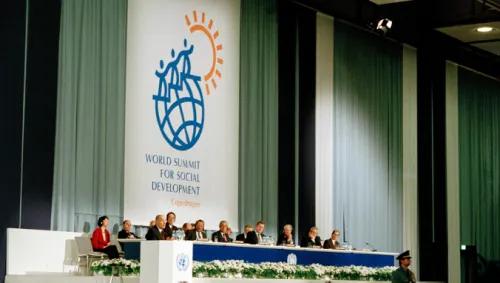
A historic summit The World Summit for Social Development (WSSD) was, at its time, the largest gathering of world leaders ever assembled. It was attended by more than 14,000 people, including delegates from 186 countries, with 117 represented at the level of Heads of State or Government. At the Summit, Governments pledged to make the conquest of poverty, the goal of full employment and the fostering of social integration overriding objectives of development.
2015: 2030 AGENDA AND SDGS
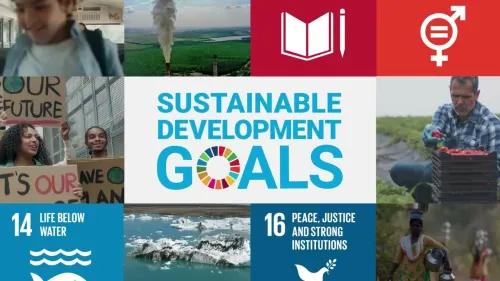
The 2030 Agenda is a global action plan adopted by the United Nations, in 2015, to promote peace, prosperity, and well-being for people and the planet. The agenda includes 17 integrated and indivisible Sustainable Development Goals (SDGs), and 169 associated targets, addressing critical issues such as poverty, inequality, climate change, environmental degradation, peace, and justice. The agenda emphasizes the importance of collaboration among countries and stakeholders to balance economic, social, and environmental considerations and ensure that progress leaves no one behind.
2023: SDG SUMMIT

The 2023 SDG Summit marked the halfway point in the implementation of the 2030 Agenda and launched a new phase of accelerated action to achieve the Sustainable Development Goals. As the centrepiece of the General Assembly’s high-level week, the summit responded to the impact of multiple, interrelated global crises. The Political Declaration, adopted by consensus at the summit, aims to reignite hope, optimism and commitment to achieving the 2030 Agenda.
2024: SUMMIT OF THE FUTURE
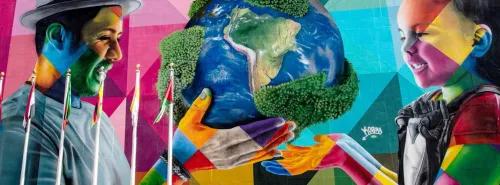
At the 2024 Summit of the Future, Heads of State and Government the Pact for the Future and its annexes, the Global Digital Compact and a Declaration on Future Generations. The Pact addresses a wide range of themes, including peace and security, sustainable development, climate change, digital cooperation, human rights, gender equality, youth and future generations, as well as the transformation of global governance.
2025: UN80 ANNIVERSARY

The United Nations (UN) was officially established on October 24, 1945, a date now celebrated annually as United Nations Day. In 2025, the UN will mark its 80th anniversary—a milestone to reflect on its legacy and global impact. It also offers an opportunity to renew commitments to peace, sustainability, and multilateral cooperation. This anniversary invites the world to look ahead and help shape a better future for all.
2025: SECOND WORLD SUMMIT FOR SOCIAL DEVELOPMENT
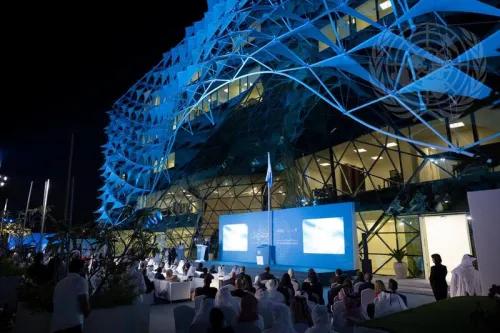
The Second World Summit for Social Development presents an opportunity for us to revitalize global efforts to address poverty, inequality, and social exclusion, promote decent work, and advance social justice, solidarity and equality. The summit will bring global actors together to accelerate progress on social development, promote well-being for all to create a more inclusive and sustainable world.
Latest News

Social development, up close: UN News goes inside the Doha summit
At the Second World Summit for Social Development in Doha, our team piloted a quick, digestible format designed to bring readers closer to the action – what’s actually being said, decided and debated in real time.
Working side by side with…

Leaving no one behind: Social justice must be at the heart of development
Nearly 30 years after the landmark Copenhagen Declaration – when governments pledged to make societies fairer and more inclusive – conversations about putting social development back at the centre of the global agenda have taken on renewed…

Doha summit ends with call to turn social pledges into action
Speaking at the closing press conference, President of the UN General Assembly Annalena Baerbock said the Summit marked a “deliberate shift” from identifying gaps to acting on proven solutions.
“Copenhagen taught us 30 years ago that social…
-

Doha Political Declaration of the “World Social Summit” under the title “the Second World Summit for Social Development”
Download DocumentOn 4 November 2025, the General Assembly adopted resolution A/RES/80/5, formally endorsing the Doha Political Declaration of the “World Social Summit” — the Second World Summit for Social Development. Through this resolution, Member States reaffirm the enduring relevance of the Copenhagen Declaration and Programme of Action and commit to renewed global efforts…
-
Revised Information Note for Delegates attending the Second World Summit for Social Development in Doha
Download DocumentThe General Assembly has released the official revised information note for delegations (A/INF/80/5/Rev.1) attending the World Social Summit — the Second World Summit for Social Development, to be held in Doha, Qatar, from 4 to 6 November 2025. The note provides practical guidance on all aspects of participation, including:
…
-
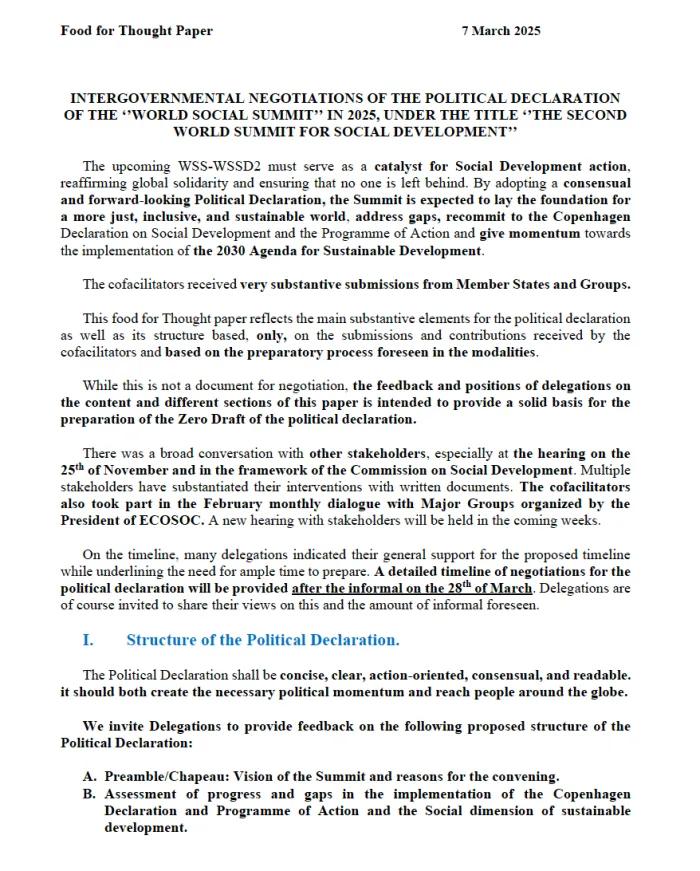
Food for Thought Paper
Download DocumentThe Food for Thought Paper for the Second World Summit for Social Development is now available! This key document outlines the substantive elements shaping the Political Declaration, highlighting critical priorities such as poverty eradication, decent work, social inclusion, digital transformation and climate resilience. It serves as a basis for the zero draft political declaration that will…
-
Modalities of the “World Social Summit” under the title “the Second World Summit for Social Development”
The United Nations General Assembly has decided to convene the World Social Summit under the title, “the Second World Summit for Social Development”, in the State of Qatar from 4 to 6 November 2025.
The social summit aims to address gaps and reaffirm the principles outlined in the 1995 Copenhagen Declaration on Social Development and Programme of Action, while also…
-
Resolution to convene the "Second World Summit for Social Development" in 2025
Download DocumentOn February 26, 2024, the United Nations General Assembly adopted Resolution 78/261, officially establishing the "World Social Summit" under the title "Second World Summit for Social Development." Scheduled for 2025, this Summit represents a renewed global commitment to addressing persistent gaps in social development and accelerating progress on the 2030 Agenda for Sustainable Development.…


-
H.E. Ambassador Sophie De Smedt, Permanent Representative of Belgium to the United Nations
"30 years after the Copenhagen Summit, we owe it to the world to show ambition for accelerating our common work on the SDGs and more specifically on the social aspect of the SDGs. The first World Summit for Social Development was a real milestone in the multilateral system. It was a global commitment to social development that still resonates today."

-
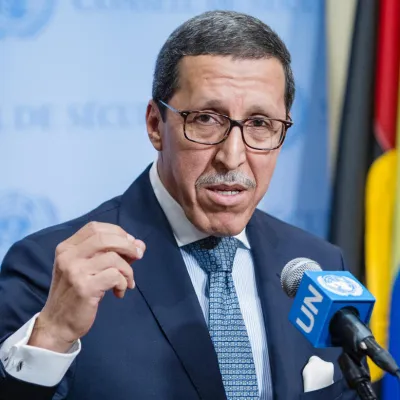
H.E. Ambassador Omar Hilale, Permanent Representative of the Kingdom of Morocco to the United Nations
"As we are shaping the path towards the summit, let's make of this intergovernmental process a turning point, a moment when we transform values and principles into innovative action that tackle the challenges of today. The summit shall be also a vehicle to create an environment for building trust, give momentum to the implementation of 2030 agenda, promote innovative solutions and inclusive international cooperation."
-
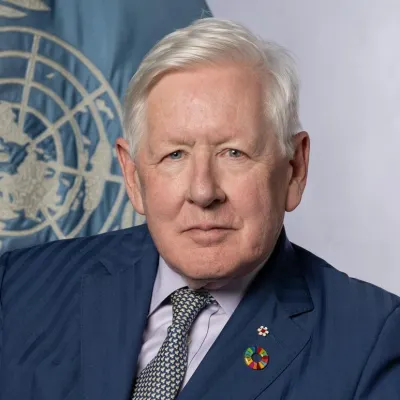
H.E. Ambassador Bob Rae, President, Economic and Social Council
"As we look to the future, the Summit of the Future has underscored the aspirations, hopes, and commitments required to build a better future for both present and future generations. This momentum provides a critical foundation for the upcoming Second World Summit for Social Development, where we will continue to strengthen our collective resolve in addressing the most pressing social development challenges of our time."
-
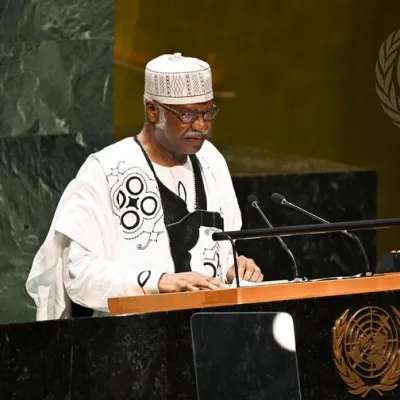
Philemon Yang, President of the General Assembly
"The Second World Summit for Social Development in November will be a key moment to demonstrate what we have learned, assess the gaps, promote human dignity, and offer bold solutions that ensure socially equitable outcomes for future generations."
-
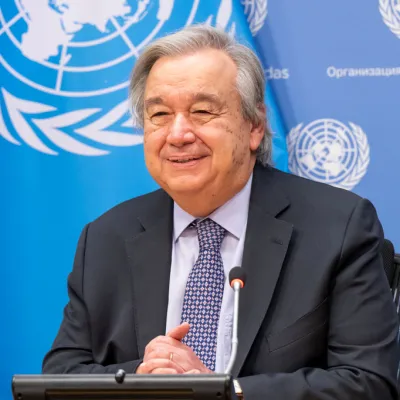
António Guterres, United Nations Secretary-General
“This would be an opportunity to hold a different form of global deliberation and to live up to the values, including trust and listening, that underpin the social contract. The Summit outcome could be an update of the 1995 Copenhagen Declaration on Social Development, covering issues such as universal social protection floors, including universal health coverage, adequate housing, education for all and decent work, and give momentum towards achieving the Sustainable Development Goals.”
-
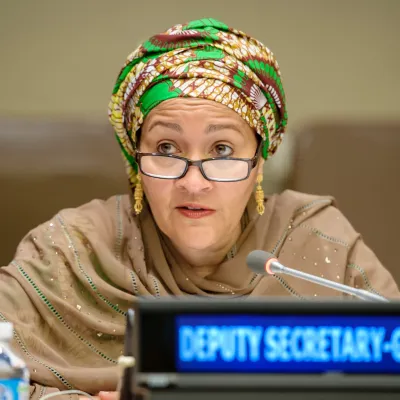
Amina J. Mohammed, United Nations Deputy Secretary-General
"Some Member States have expressed a legitimate concern about creating new Agendas in the current context, when the task of realizing the SDGs and the Copenhagen commitments is not yet done. This is not the time to change course. Rather, the Social Summit is an opportunity to accelerate the implementation of the 2030 Agenda and the programme of action of the first World Summit for Social Development, five years ahead of 2030."
-
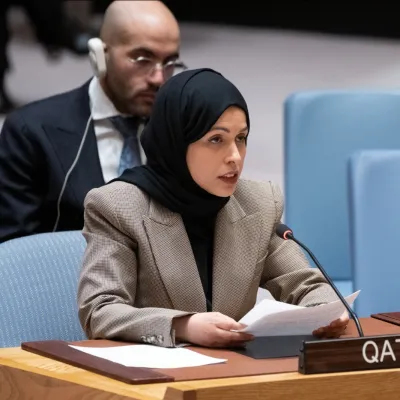
H.E. Ms. Sheikha Alya Ahmed bin Saif Al-Thani, Ambassador of the State of Qatar to the United Nations
"It is an opportunity after 30 years to build momentum, to reaffirm our commitment to the Copenhagen plan of action and as well to use it as an opportunity to generate momentum to adopt a new outcome that will galvanize the achievement of the 2030 agenda and as well the uh pact of the future and as well to ensure that social development is at the heart of our global agenda. It is very important that the Doha summit delivers a result driven summit."
FAQ
General Questions about the Summit
- What is the purpose of the Second World Summit for Social Development?
The Summit aims to reaffirm global solidarity and accelerate action on social development by assessing progress, addressing gaps, and strengthening implementation of the 2030 Agenda for Sustainable Development and the Sustainable Development Goals.
- What will be the main outcome of the Second World Summit for Social Development?
The Summit will adopt an action-oriented political declaration that outlines commitments to social development and provides momentum for implementation at national and international levels.
- How does the Second World Summit for Social Development align with other ongoing UN global initiatives?
The Second World Summit for Social Development is designed to align with and maintain coherence across commitments made in other recent global processes, such as the 2023 SDG Summit Political Declaration, the Pact of the Future and the forthcoming Fourth International Conference on Financing for Development (FfD4).
- Why is a new Political Declaration necessary?
Despite progress since the first Social Summit, significant social development gaps remain. A renewed commitment is needed to address these challenges through integrated and people-centered policies, strengthened institutions and enhanced partnerships.
- How will the Political Declaration be implemented?
The declaration will serve as a framework guiding national governments, UN agencies, and other stakeholders in aligning policies and programmes with its commitments. Countries will be encouraged to integrate these commitments into development strategies, legal frameworks, and public policies.